As the year drew to a close, we embarked on a captivating journey through the heart of Mewar, immersing ourselves in its rich history and timeless beauty. Our adventure began in Udaipur, the City of Lakes, where we marveled at the grandeur of the City Palace and the serene beauty of Lake Pichola. From there, we traveled to Chittorgarh, home to the majestic Chittorgarh Fort, a symbol of Rajput valor and pride. The fort’s ancient walls and tales of heroism left us in awe. Our final destination was Mount Abu, the only hill station in Rajasthan, where we found solace in the cool, tranquil surroundings and explored the exquisite Dilwara Temples. This journey through Udaipur, Chittorgarh, and Mount Abu was a perfect blend of history, culture, and natural beauty, leaving us with cherished memories of Mewar’s enchanting legacy.
We captured a few photos to reflect our journey and the profound impact it had on us.
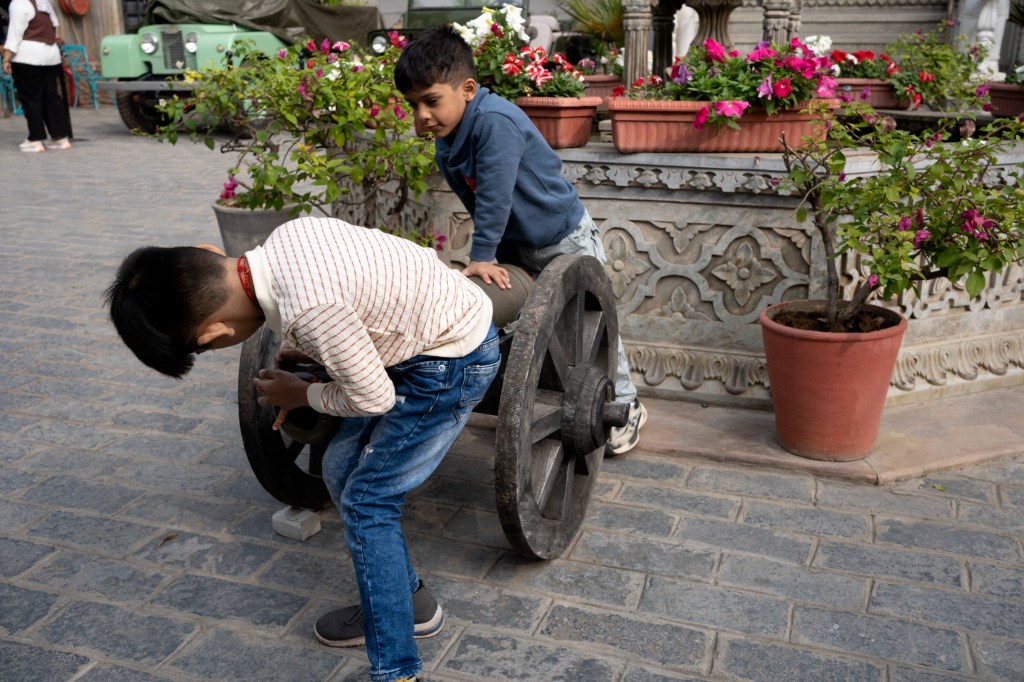
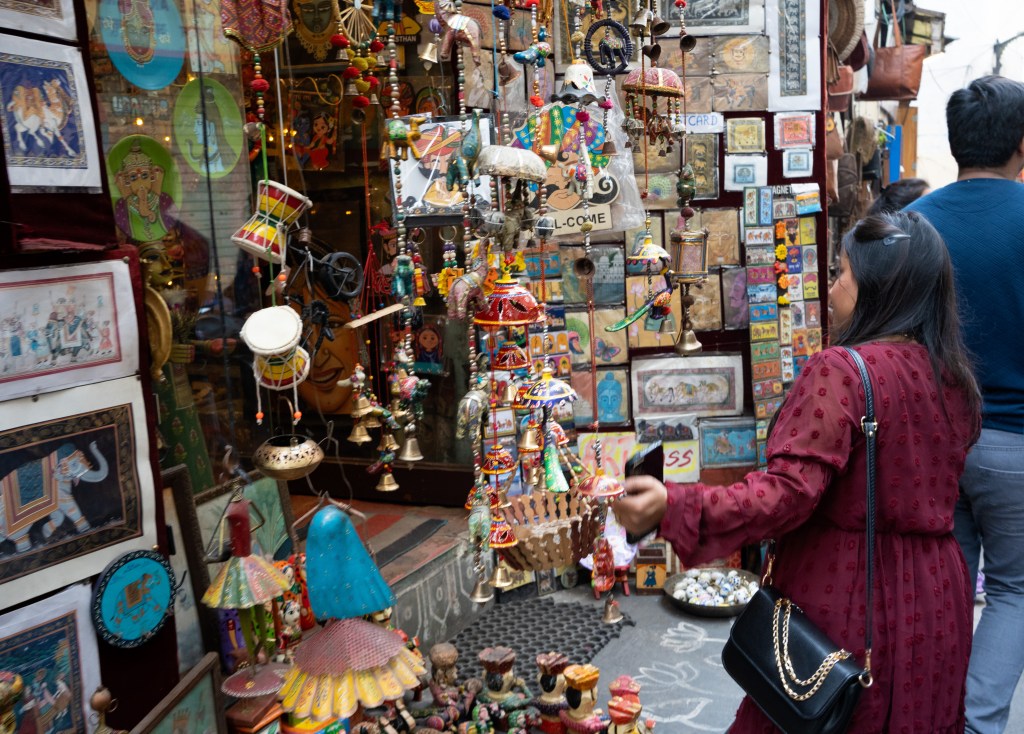
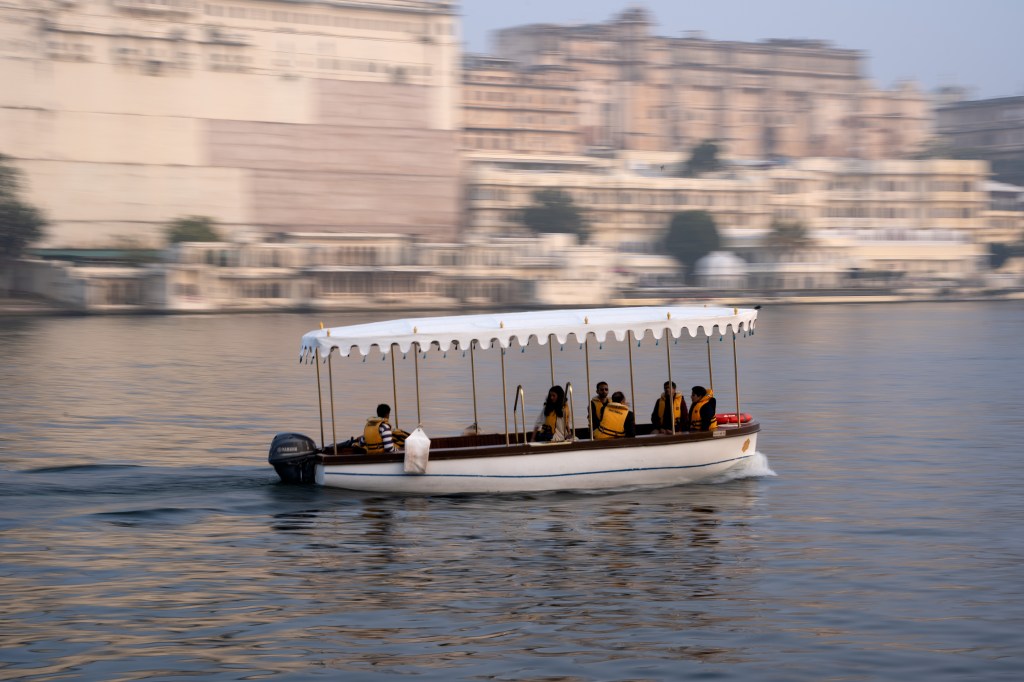
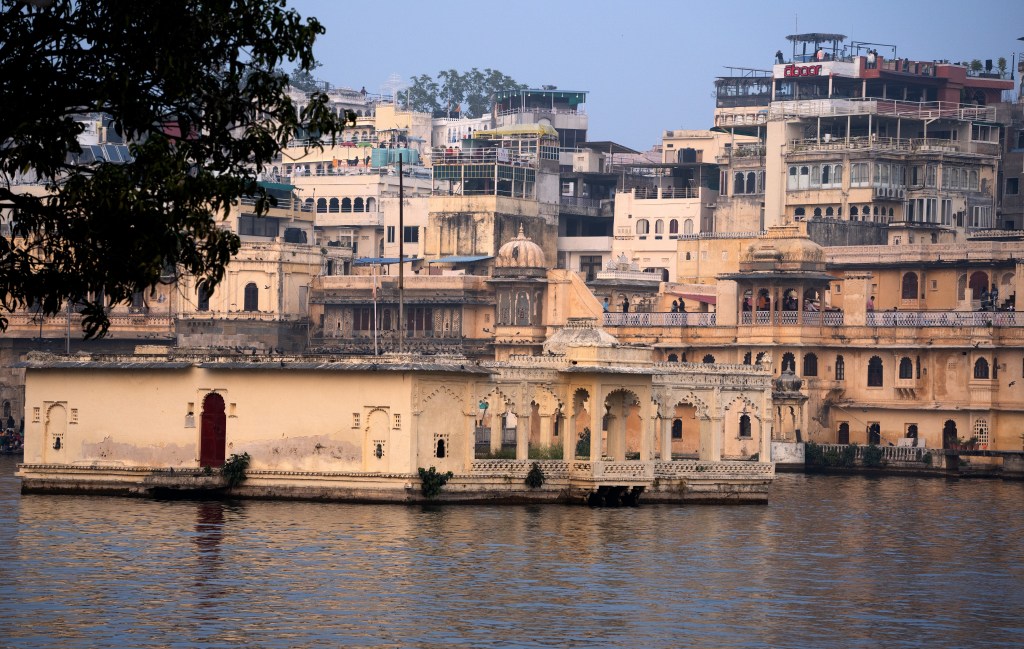
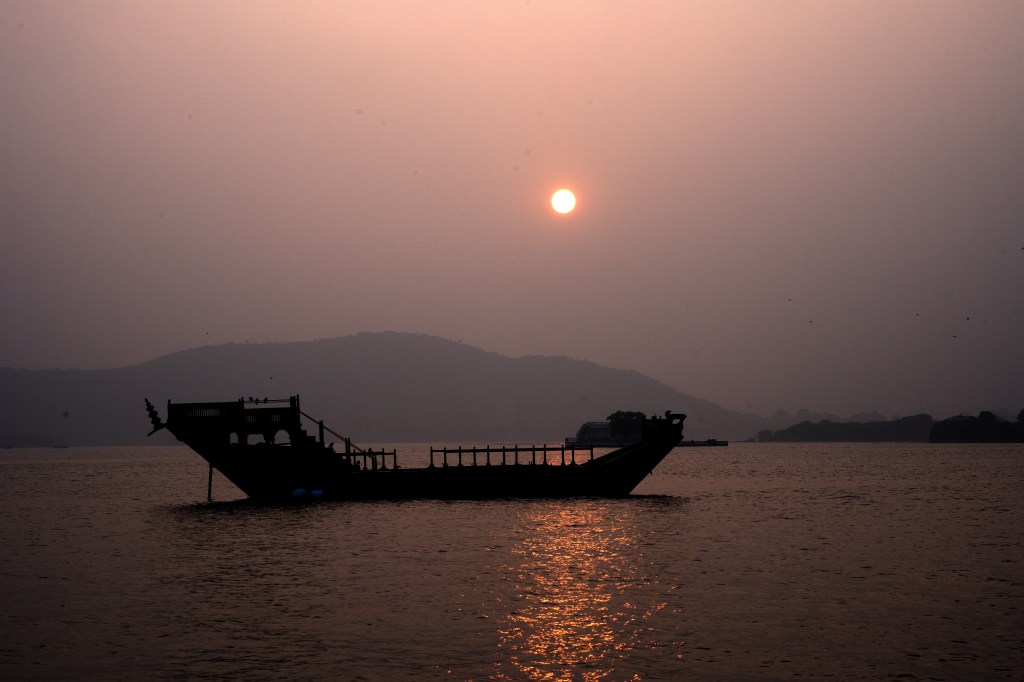
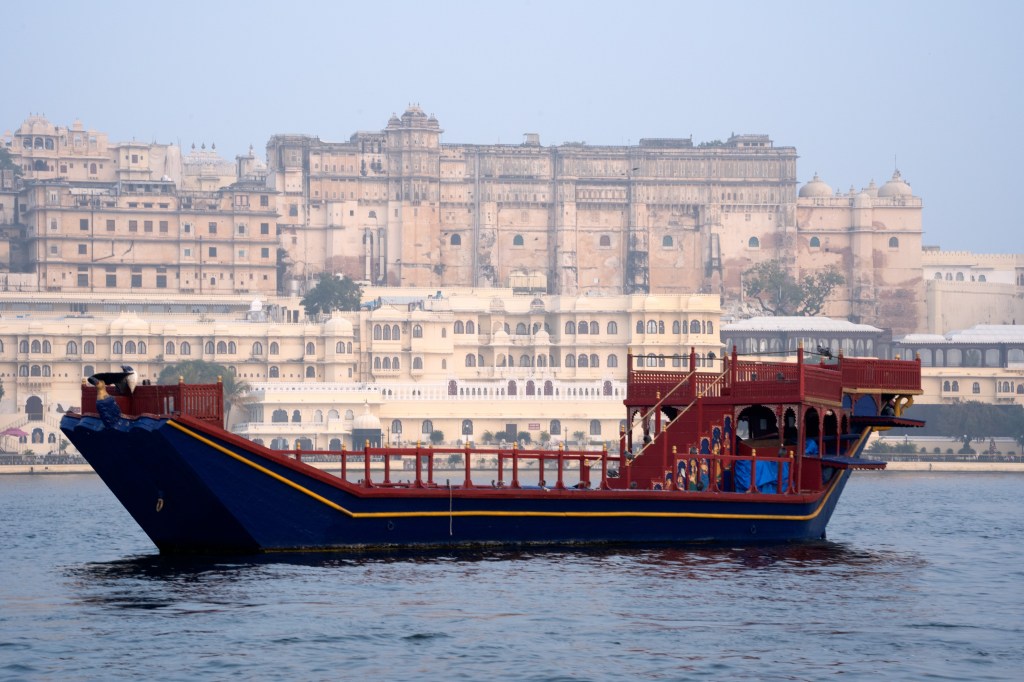
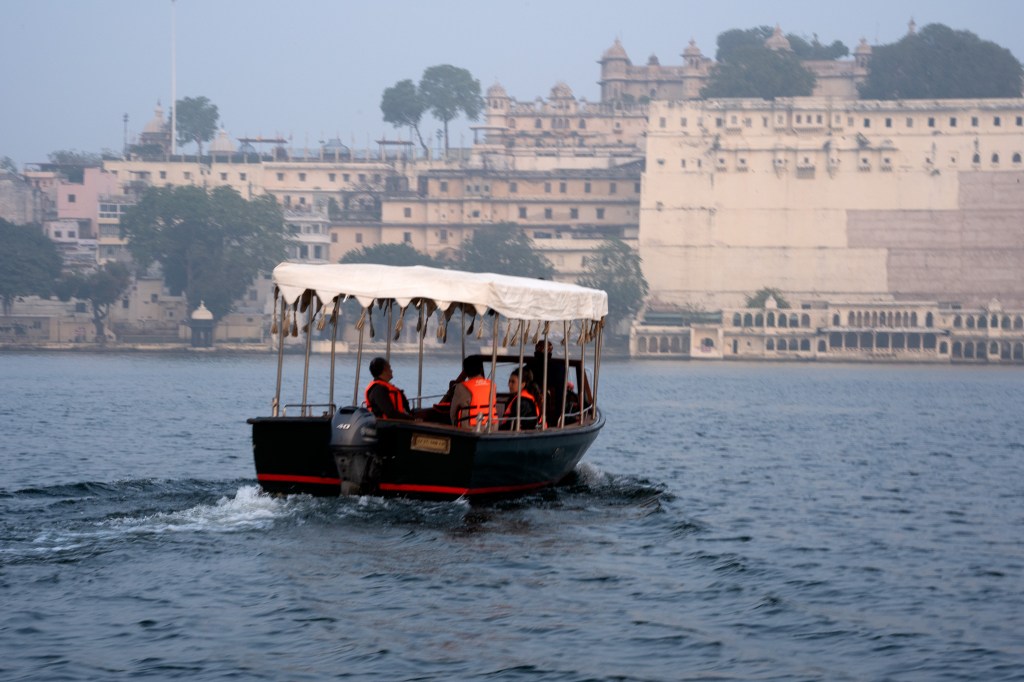
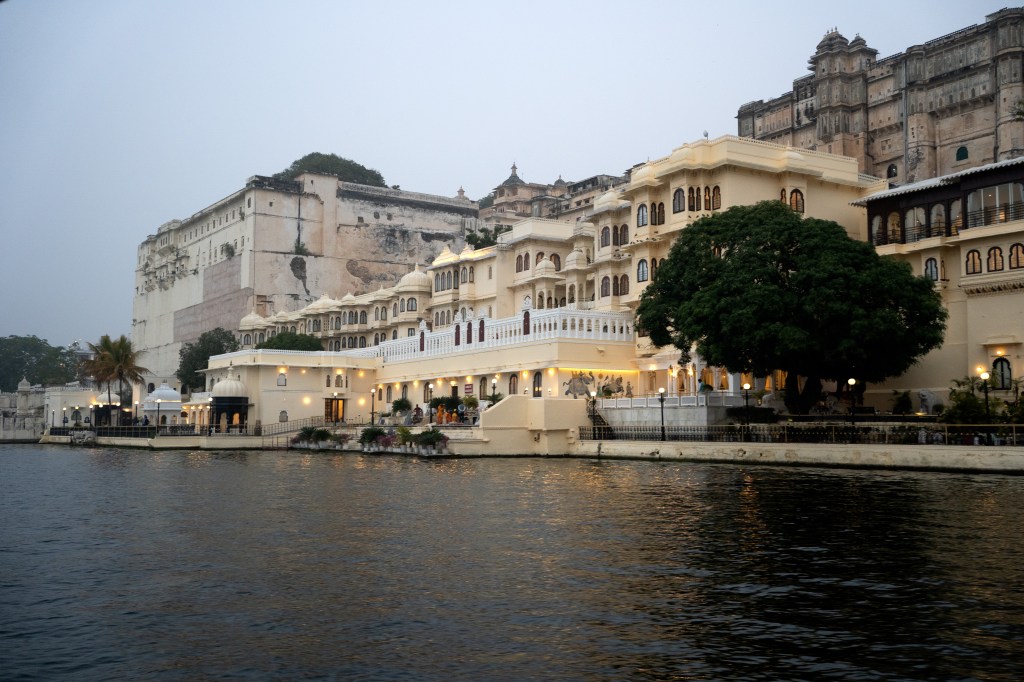
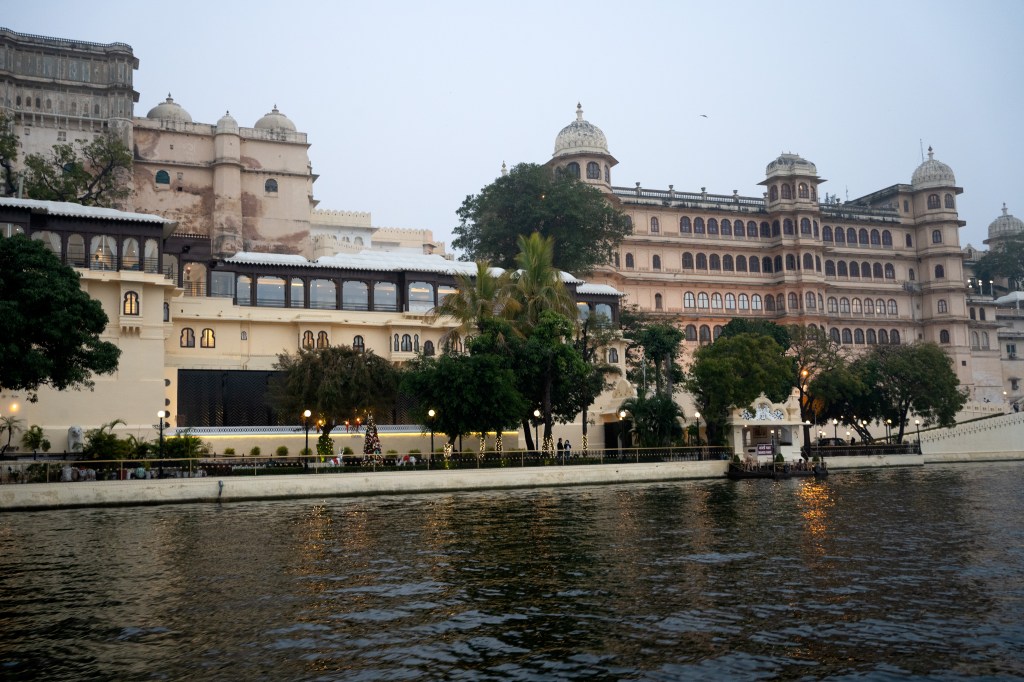
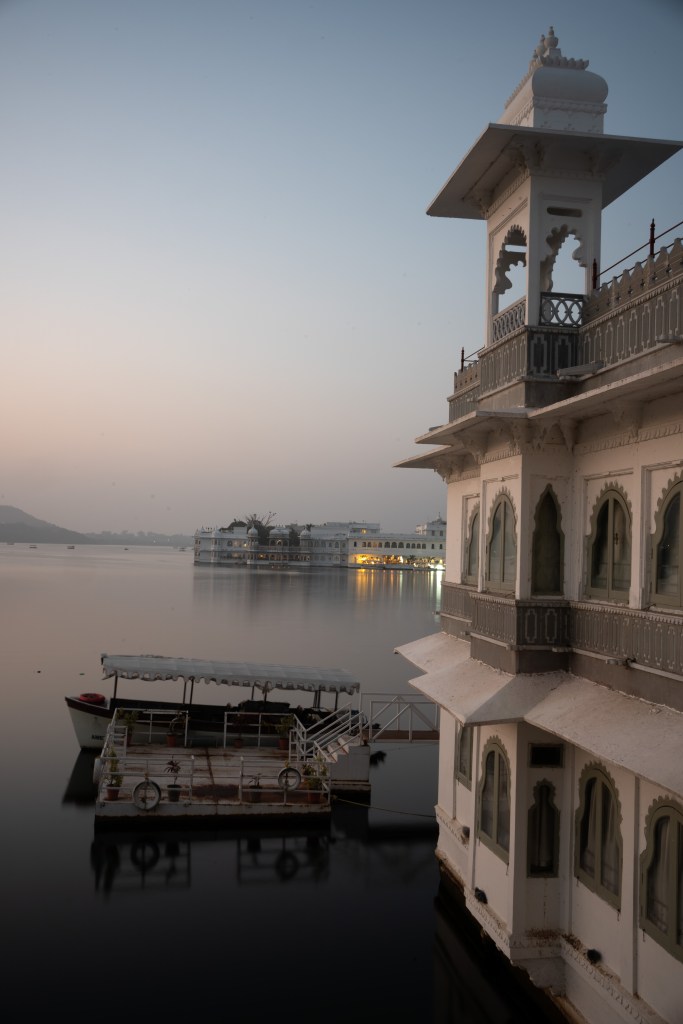
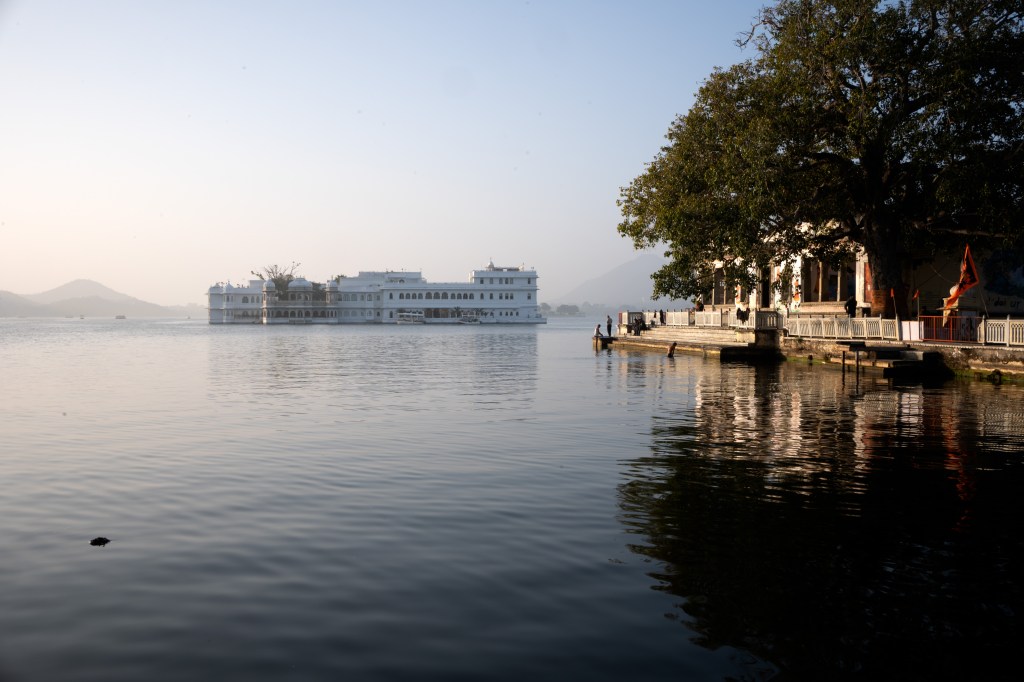
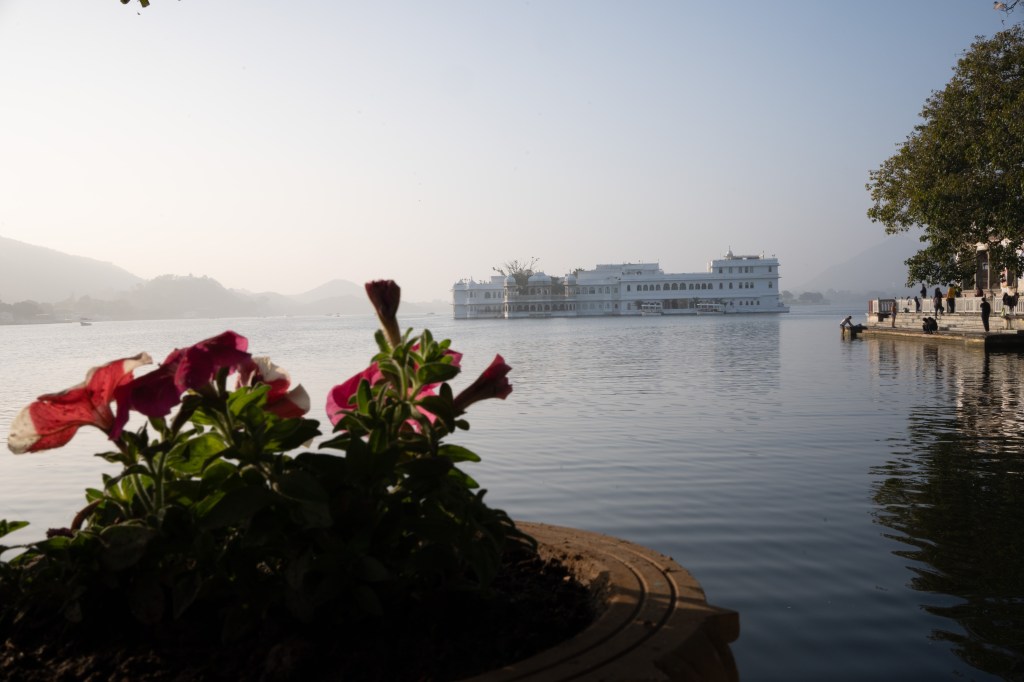
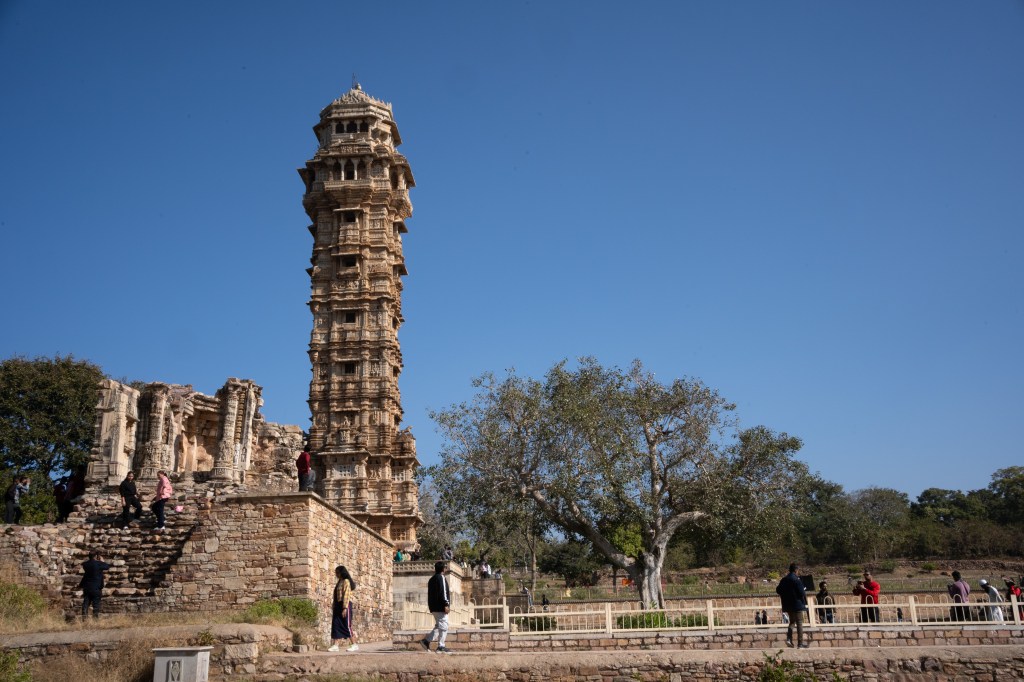
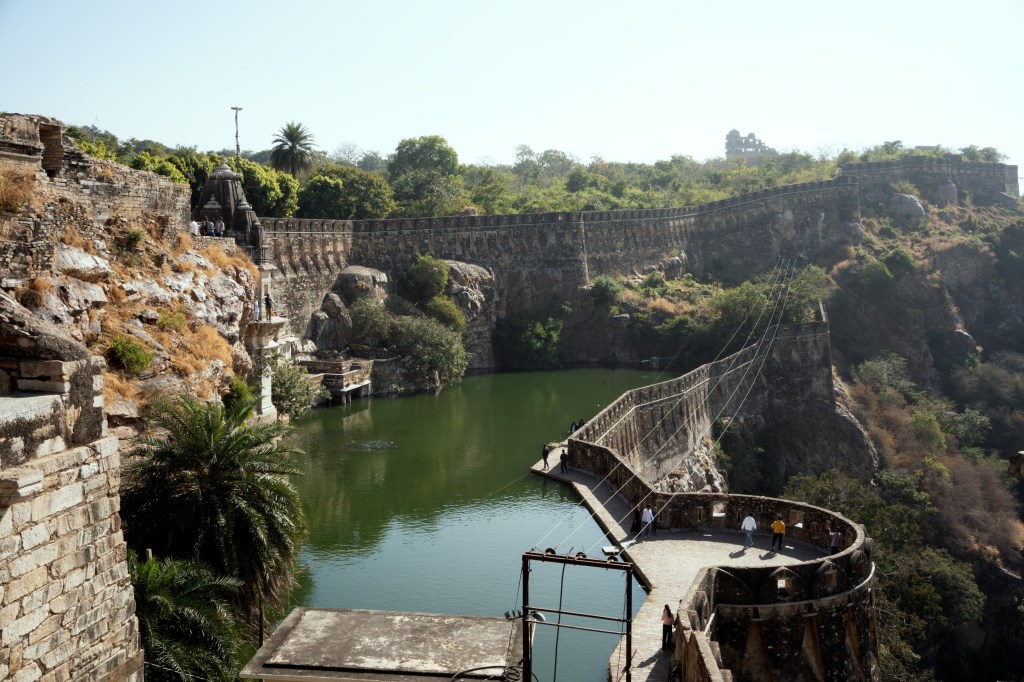
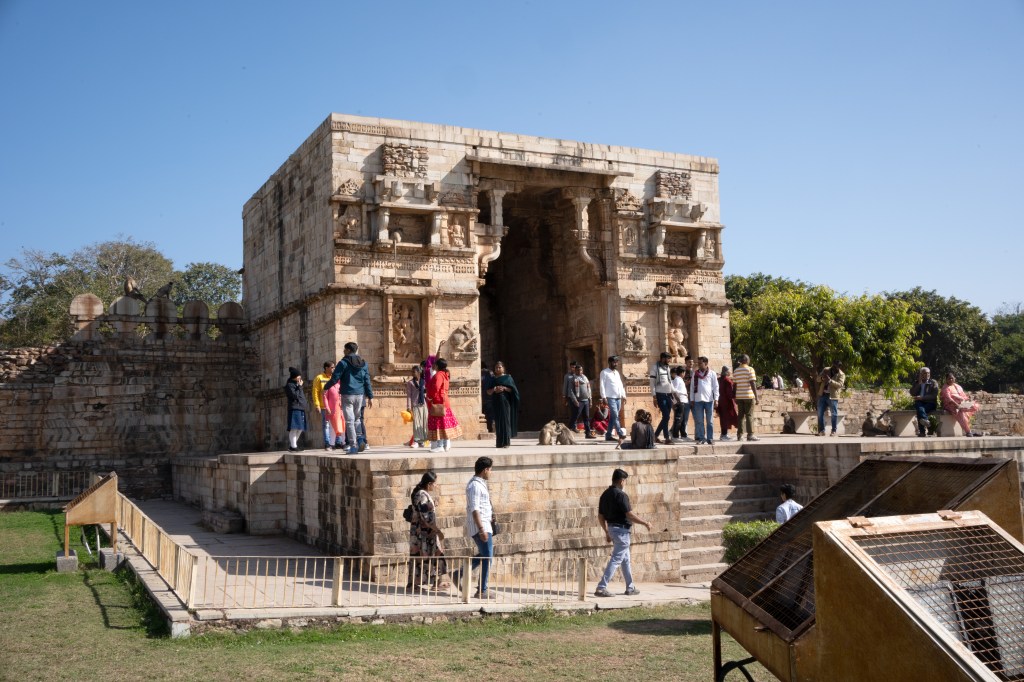
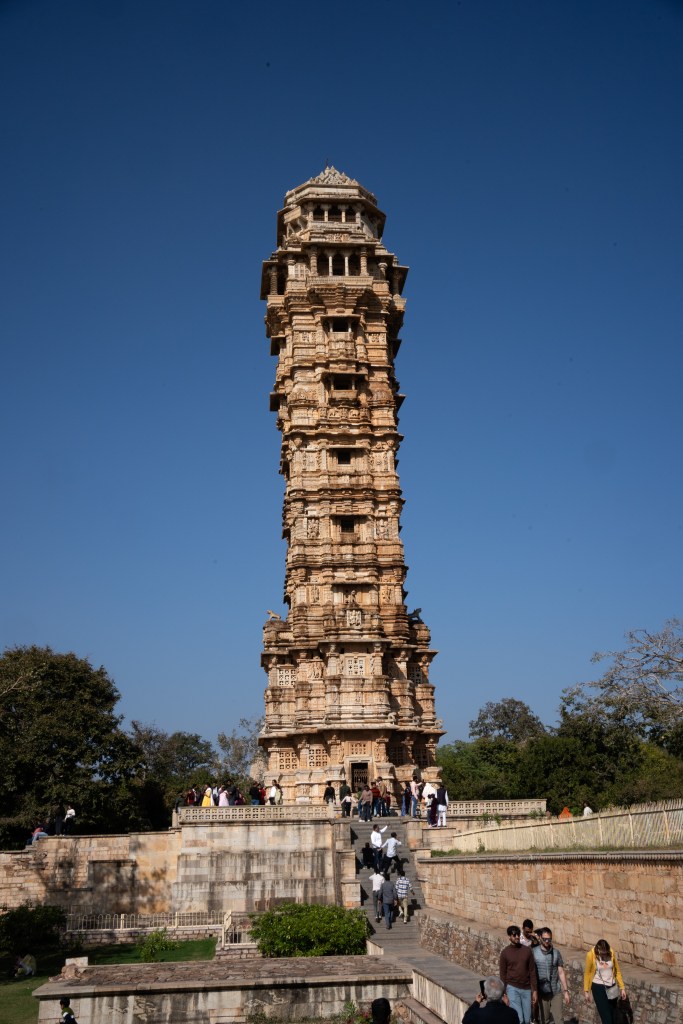
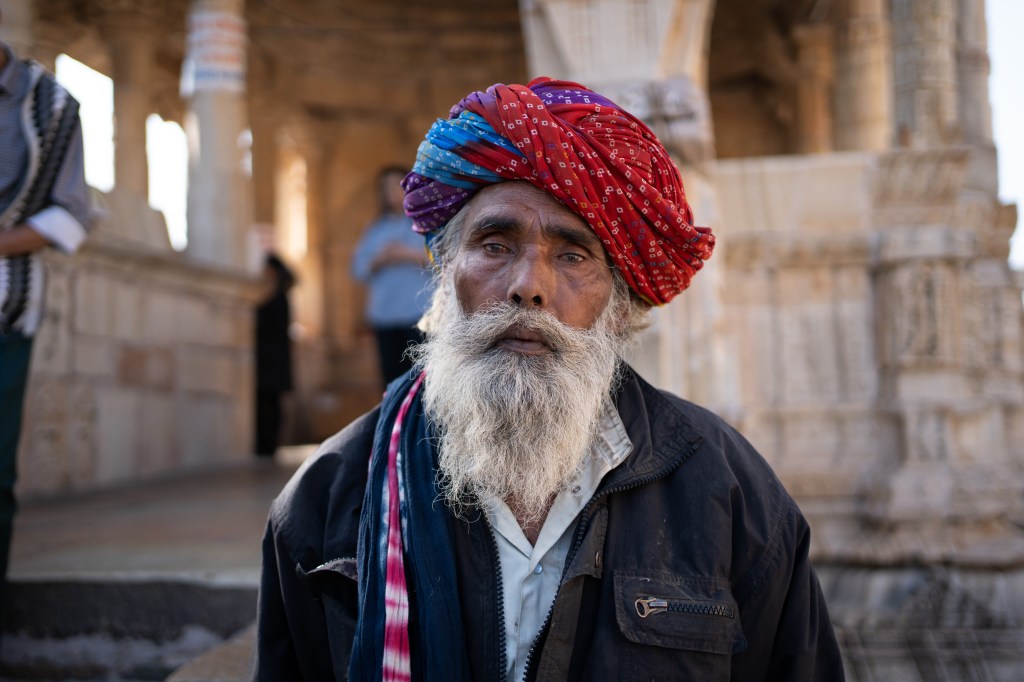
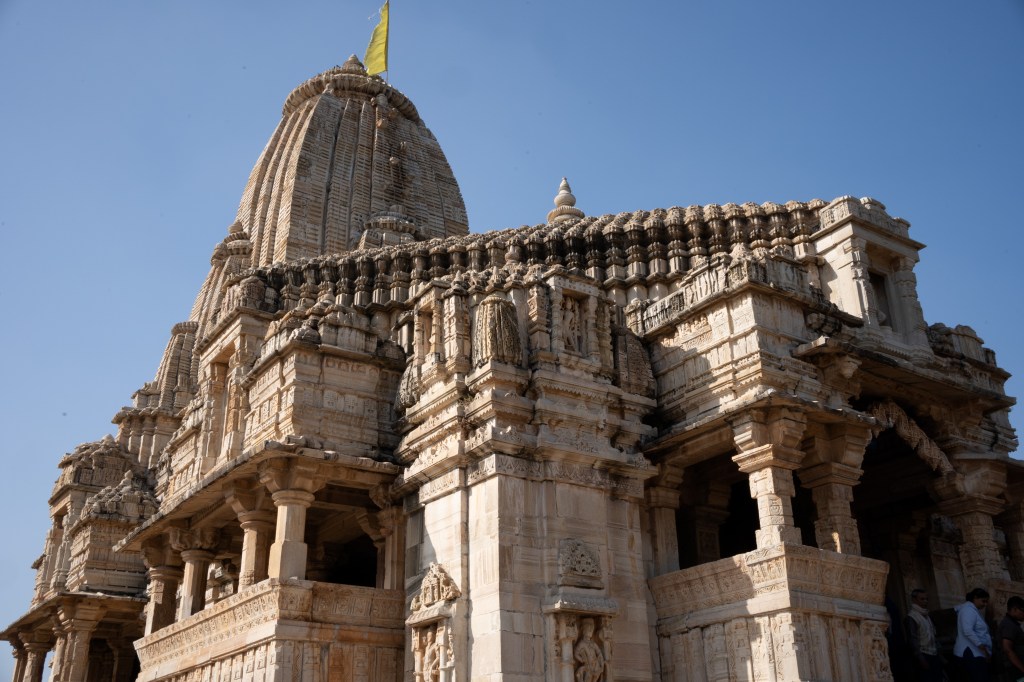
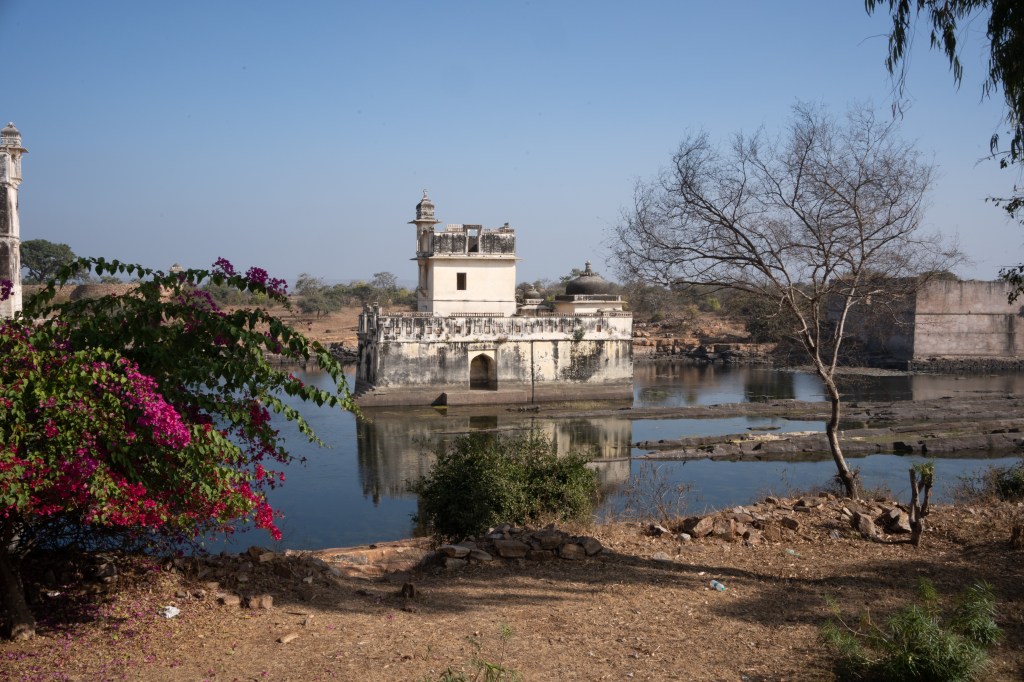
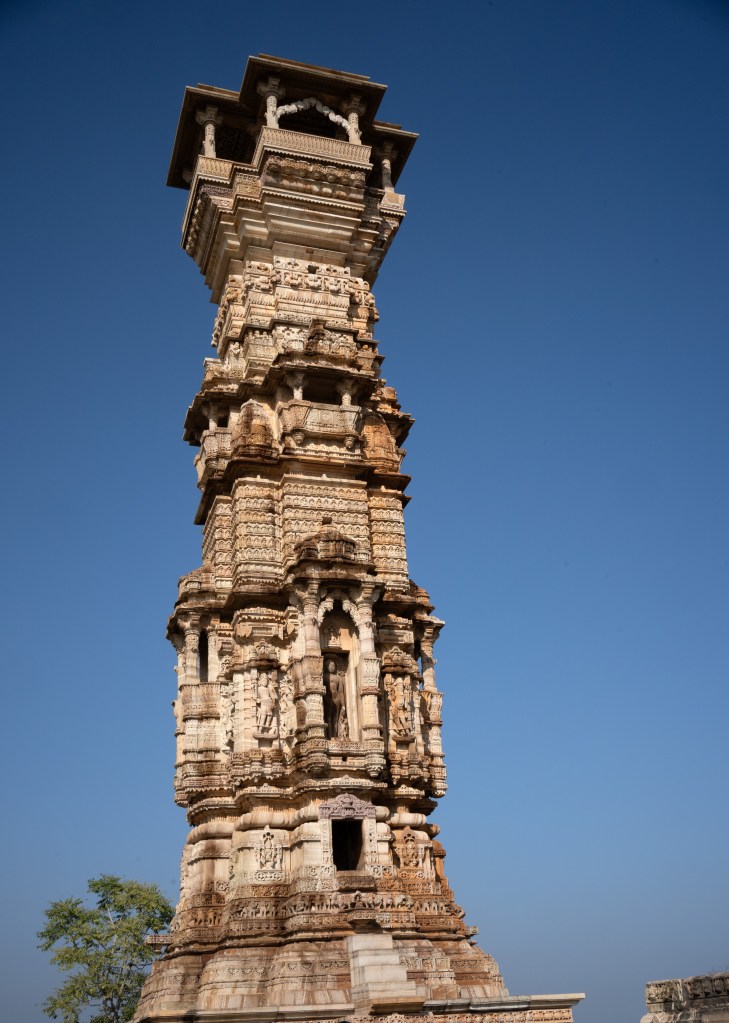
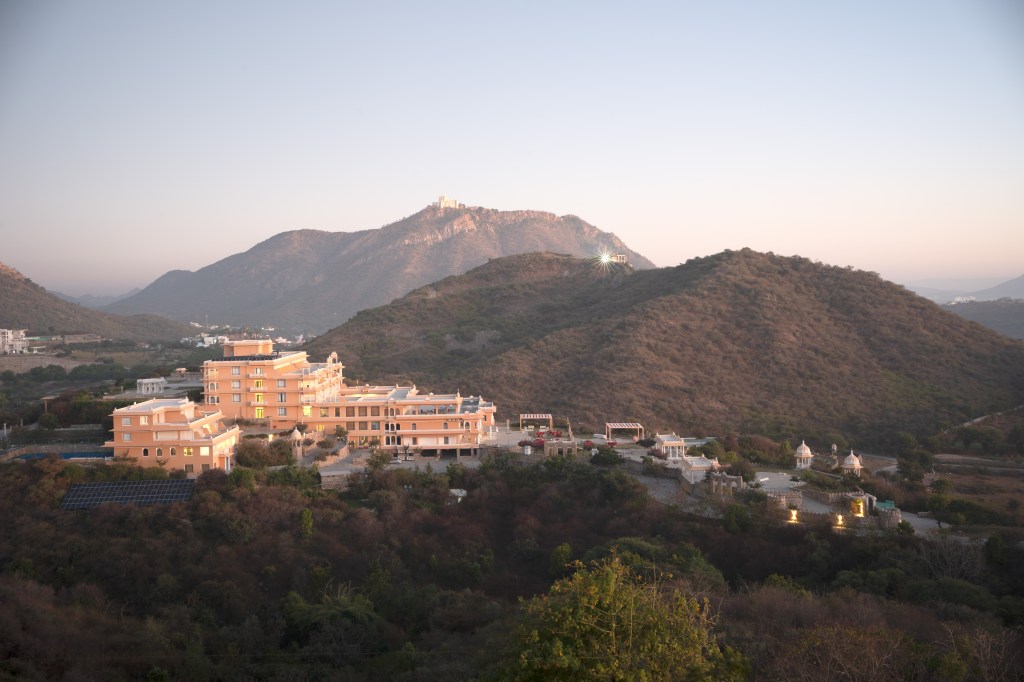
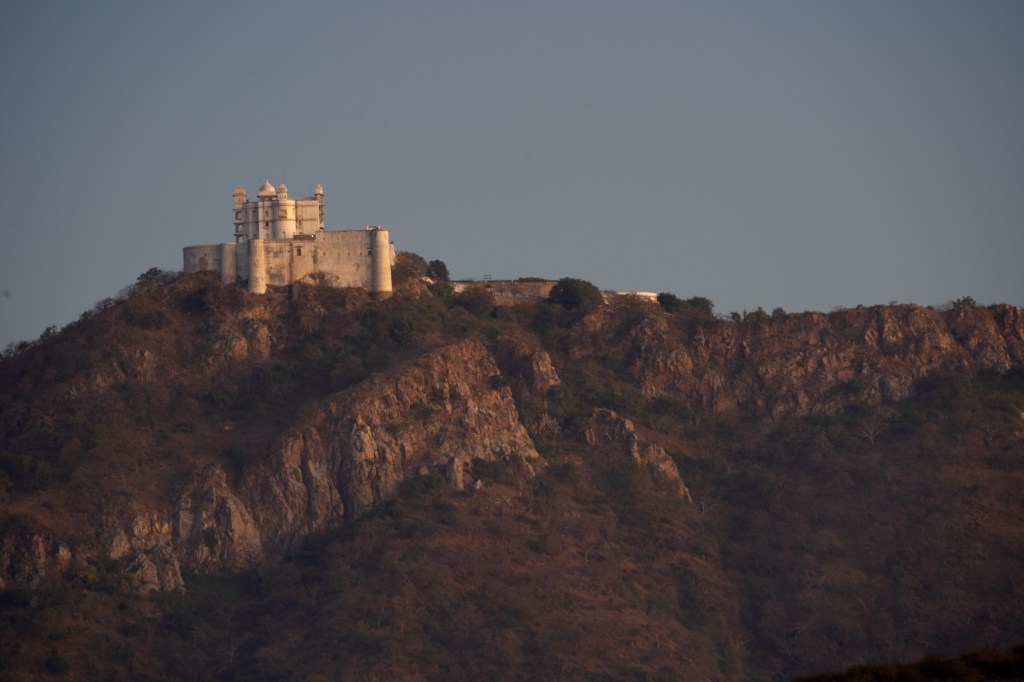
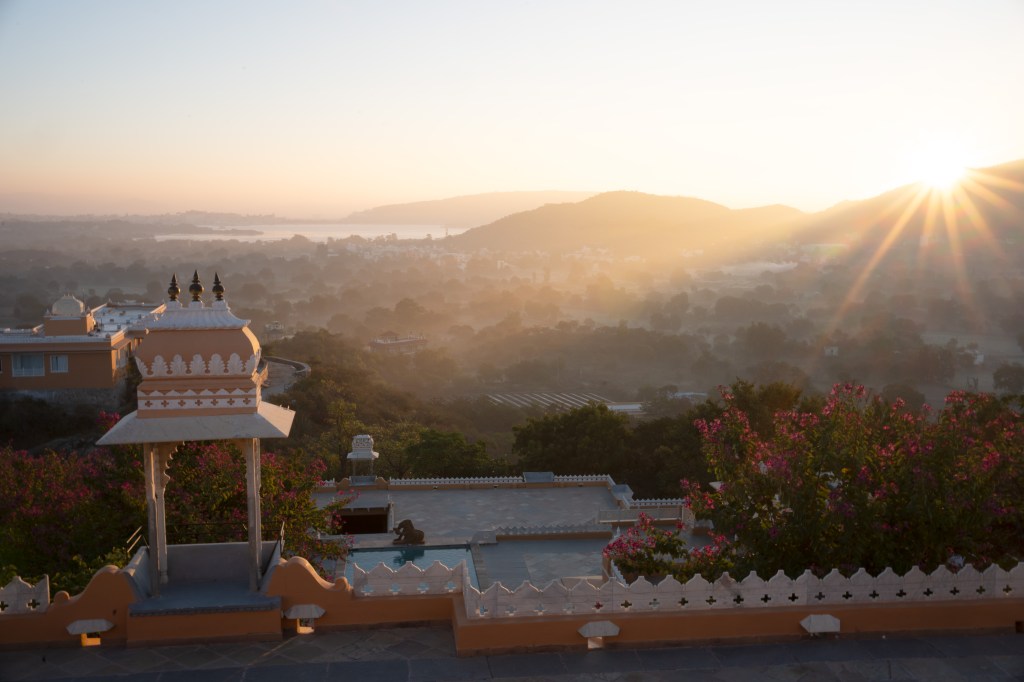
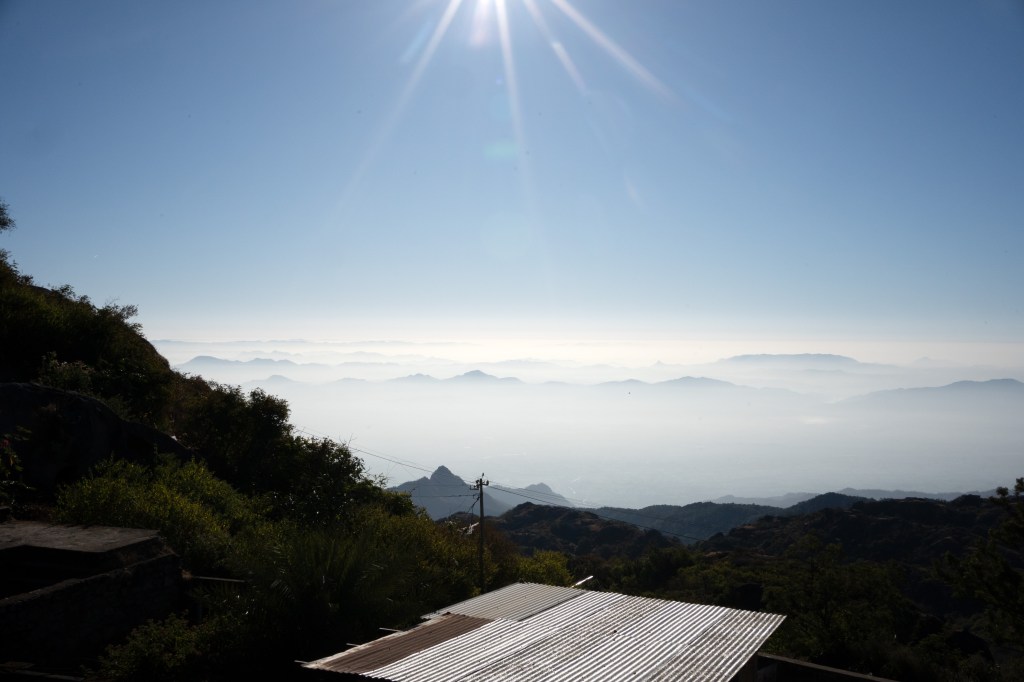
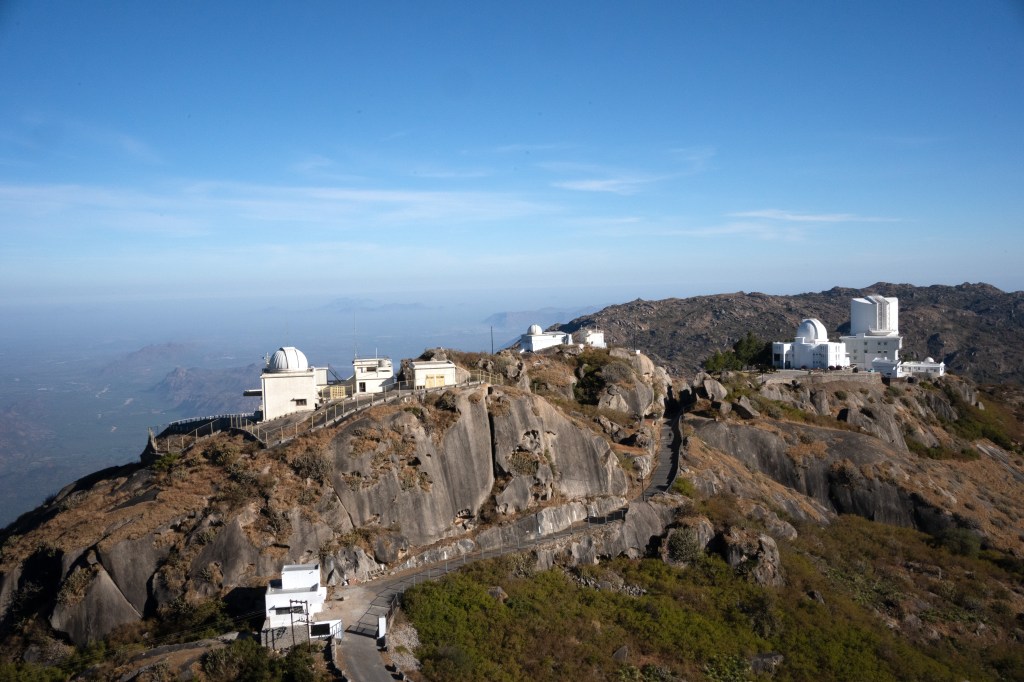
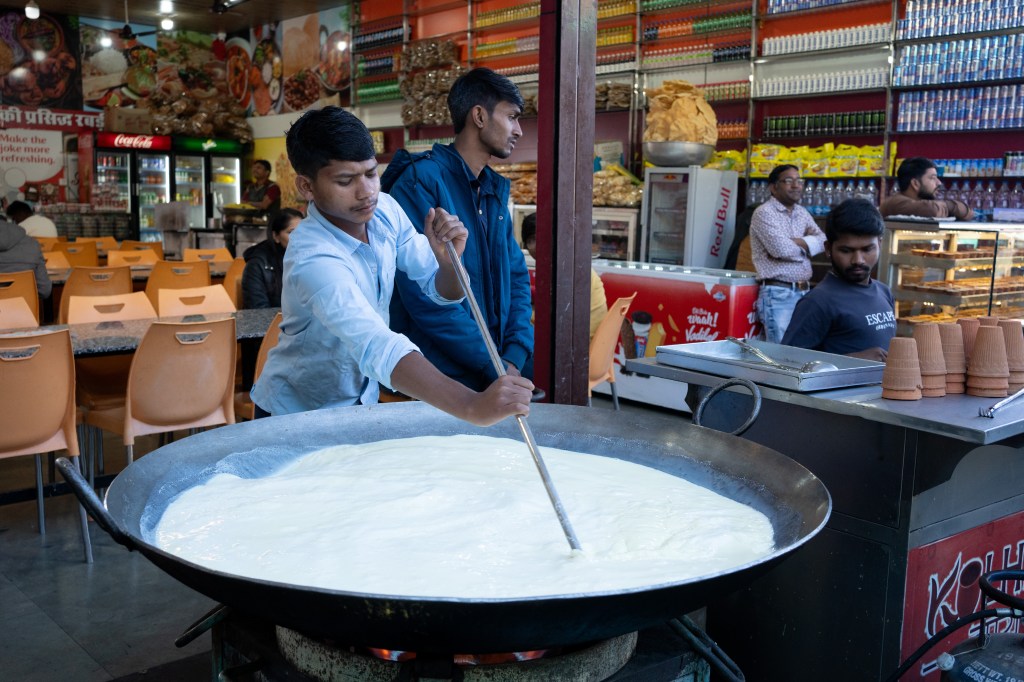
“Innocence, a gentle whisper, can silence the thunder of war.”“Never-ending treasure hunt.”“Every sale is a hidden gem waiting to be discovered.”“City Palace of Udaipur, a regal silhouette, mirrored in the tranquil embrace of Lake Pichola.”“Glides gracefully over the royal lake, its gentle ripples painting a serene dance on the water’s surface.”“The Gangaur boat, adorned with vibrant colors and intricate designs, glides majestically over the serene waters of Lake Pichola, reflecting the rich cultural heritage of Udaipur.”The Jal Mahal of Udaipur, also known as the Water Palace, is a mesmerizing architectural marvel that seems to float gracefully on the serene waters of Lake Pichola.“From Amet Haveli, the first light of dawn kisses Jal Mahal, casting a golden embrace over Lake Pichola’s tranquil waters.”“The Chittorgarh Minar, also known as the Vijay Stambh or Victory Tower.”“Jauhar Kund in Chittorgarh is a historically significant site within the Chittorgarh Fort, where the Rajput women and children performed the act of Jauhar, or mass self-immolation, to avoid capture and dishonor by invaders.”The fort of Chittorgarh witnessed three major Jauhars, the most famous being during the siege by Alauddin Khilji in 1303. The gate stands as a poignant reminder of the bravery and sacrifice of the Rajput women and their unwavering commitment to honor and valor.“The towering symbol of Rajput valor and pride. Built by Rana Kumbha in the 15th century to commemorate his victory over the Sultan of Malwa.”“The old Mewar man carries the timeless grace and heritage of his land.”“Meera Bai Temple in Chittorgarh, a sanctuary of devotion, where the echoes of her divine love resonate through time.”“Padmini Palace in Chittorgarh, a timeless jewel, where the whispers of royal elegance dance upon the tranquil waters of its reflection.”“Alauddin Khilji set up his camp between the Berach and Gambhiri rivers before laying siege to Chittorgarh. He stationed himself at Chitori hillock, located to the north of the fort1. This strategic positioning allowed him to effectively surround and eventually capture the fort after an eight-month-long siege.”“Kirti Stambha is older than Vijay Stambha (Tower of Victory). The 22 metres (72 ft) tower was built by a Jain merchant Jeeja Bhagerwala during the reign of Rawal Kumar Singh in 1179–1191 CE.”“From Fateh Garh, Udaipur’s nightscape unfolds like a shimmering tapestry, where the city’s lights dance upon the tranquil waters of Lake Pichola.”“The Monsoon Palace, also known as the Sajjan Garh Palace, is a hilltop palatial residence in the city of Udaipur, Rajasthan in India, overlooking the Fateh Sagar Lake. It is named Sajjangarh after Maharana Sajjan Singh (1874–1884) of the Mewardynasty, whom it was built for in 1884.”“The sunrise over Udaipur paints the sky in hues of gold, casting a serene glow upon the awakening city and its shimmering lakes.”“The Mount Abu InfraRed Observatory (MIRO). The observatory is at an altitude of 1680 metres and is adjacent to Guru Shikhar, highest peak of the Aravalli Range. The 1.2 m infrared telescope at It is the first major facility in India specifically designed for ground-based, infrared observations of celestial objects.”“Crafting Rabri is like weaving a tapestry of flavors, where milk is lovingly simmered to perfection, creating a rich, creamy delight.”





 Pratik's Journey Journal
Leave a comment